
April 14, 2020

Author

Robert Tickner

Dominique Falla asked me to be part of Typism’s podcast series, and talk about the concept of inner compass. After the recording was done, I realised that the notes I prepared for our interview could be valuable for many designers in the visual communication field, and not only for the ones interested in lettering. Below are my notes for anyone who’d find that useful.

Two-part vintage photo: a couple posing by a scooter and car, and a child kneeling in a field near a cow.

What exactly is an inner compass? 


For me, an inner compass is a set of principles to guide you through life and work, and to help you understand what things work and what things don’t work for you.


It is a set of tools to help you answer yes or no, in life and in your creative practice. And I say life and work, because for me life is work, and work is life, and I find it very difficult to separate them because they constantly feed from each other.


These set of tools are the answer to some of the following questions:


  • What are your core principles?
  • Do you have clear values?
  • What works for you?
  • What things you don’t want to do?
  • Where do you want to go?
A split-view showing the exterior of a light-colored building with a garden and an interior multi-level library.

What does an inner compass look like, how does it show up?


An internal compass does not show up; it is a constant and ongoing self-reflective practice, combined with mapping, planning, analysing and re-evaluating what works for you. And this is constantly evolving overtime depending on your priorities and projects.


My introspective journey started in 2006 when I landed in Australia. I was very fortunate to be sponsored as a lead designer at a small graphic design studio, as my English skills were very limited, and this job offered me the opportunity to live and work in this country. After my first year in Brisbane, I started to question a lot of things including myself, my work, and my place on this planet.


A black-and-white graphic illustration featuring a pattern of stylized, intricately detailed fish swimming in various directions.

Moving to Australia was incredibly challenging and isolating in many ways, but it gave me the mental space to question who I was and what I wanted, and this was the beginning of a long introspective journey to become a better designer, and a better version of myself.


I personally implement ideas and methods from the art world, as well as from personal development, and the corporate environment.


Why is it so important to find that inner compass as a lettering artist?


I feel like finding your internal compass can make you feel more in control; more aligned to yourself; more responsible for your decisions. It can help you by driving your lettering career instead of being reactive to it.


Finding your internal compass may help you answer some of these questions:


  • Are you a lettering artist who wants to work for a big agency or a small studio?
  • Would you rather be a freelancer?
  • Do you have the privilege of choosing? Not everyone is in a position to choose.


If your answer is being a freelancer, you may need to work really hard for several years at an agency or studio during the day, while doing your freelance work at night, till your client work becomes steady enough to transition to a full-time freelance career.


A row of children in formal white attire sit side-by-side in a dimly lit room, with an arrow pointing to one person.

Personally, the main positive aspect of being a full-time freelancer is the flexibility.


The worst part is the financial uncertainty, but I am fully aware that this is a counterpart of what I like the most, which is the freedom of being self-employed; so, if I had to choose between financial stability or freedom, today I would go for the latter one.


Being a freelancer carries a sense of privilege, because you have the option to choose to be one; and it also carries a sense of responsibility because if something goes wrong, there is no one else to blame. That means, you want to learn how to be a good boss to yourself.


Other questions you can consider asking yourself:


  • Is there a specific lettering style that you want to specialise in?
  • Illustrative lettering, Script, Blackletter… all of them?
  • Is there a medium in particular you want to focus on?


Murals, vector work, lettering animation, hand-lettering, digital 3D, tactile lettering… all of them?


Do you have a specific area of interest in design where you want to apply your lettering skills? For example, lettering for the packaging industry and alcohol labels; or lettering for branding purposes; or lettering for the editorial sector including book covers; or lettering for design activism and social justice.


A row of children in formal white attire sit side-by-side in a dimly lit room, with an arrow pointing to one person.

I have a couple of good colleagues of mine who specialise in designing for the music industry. They love and understand the music culture, and move specifically in this area which makes them happy and commercially successful.


The questions I mentioned above can help you answer the big question: “What do you really want to do, and how can you to make it work long term?”


By finding your internal compass and being more rooted in your core, you can face the challenges and fluctuations that come with the creative life.


How would you recommend a lettering artist go about finding their inner compass?


Start by collecting data on yourself: 


1.What are your motivations, cultural interests, emotions, triggers, behaviours and undesired behaviours?


Around the cultural topic, I very much recommend watching this panel discussion with Eric Hu, Hassan Rahim and Erik Brandt on the nature of design education.


2. Identify what is good and bad stress.


For me, good stress is when I feel challenged in a way I know is going to help me grow personally and/or professionally, like my Typism conference talk.


I knew the process would be stressful and nerve-wracking, but I also knew that if I invested enough time to prepare the talk, received feedback from people I respect, and was brave enough to open up and tell my story, it would help others to see themselves reflected in my journey, and encourage them to keep going. I knew that if the talk was well received, I would learn a lot and grow from the experience.


For me, bad stress is feeling overwhelmed. This happens when I feel I am not prepared enough to perform a task; or when I need to rely on other people or environments that are out of my control; or when someone puts a huge amount of expectations on me; or when the project has an insanely tight deadline.


A sunset over the ocean with the cursive white text,

3. Writing as a therapeutic and introspective tool.


Some people will write a weekly or monthly summary. Other people would write quarterly. Personally, I started in 2015 with my bi-monthly email newsletters.


My first newsletter was exclusively focused to announce my first solo exhibition in Melbourne. Then, I decided to keep sending newsletters to announce my calligraphy workshops, and slowly I started to write about myself and the things that were inspiring or challenging me.


In 2018, I had a melanoma removed from my face and I shared the process and how I felt during and after the surgery. The amount of responses I received from people sharing their experiences with cancer was incredible touching. After that, I realised my writing and openness were also helping other people, so I decided to continue sharing my experiences.


Nowadays, my newsletters are divided in three parts. The first part is a personal letter I craft every two months; the second part is a selection of projects I have completed, alongside the courses I offer; and the third part is a list of articles, community events, type-related matter and other topics which may include creative mental health and fostering women within the industry.


Without having a long-term strategy in place, my newsletters have become a visual diary of what is challenging or inspiring me at each moment. This bi-monthly exercise forces me to be accountable, check-in with myself, reflect on my last two months, and map what I have accomplished.


This writing exercise does not have to be public like mine, can be private and just for yourself.


A sunset over the ocean with the cursive white text,

4. Learn about how you work in a personal, creative and financial way.


What is more important for you, and in which order if more than one?


  • Being a good friend;
  • Being a good lover;
  • Being a good partner;
  • Being a good parent;
  • Being a good creative.


Some people will choose only one and be the brightest.


Other people are well rounded and they want to find a balance between having good food, an OK job, and a good social life… Then, ask yourself:


  • Are you an “email me” or “call me” person?
  • Are you an “early bird” or a “night owl”?
  • Are you a “give me time to think” or “let’s work on it together”?
  • Are you an “attention to detail” or “give me the big picture”?
  • Are you a “tell me what to do” or a “let me figure it out for myself”?


My friend Lauren Vilitati knows me very well and has helped me many times on answering these questions. Together we ran something called The Emotional Culture Deck for better workplace culture which you can download and run the exercise with someone you trust.


5. Try, tweak, try again, define and re-define success.


A lot of things I thought I would love, after doing them I realise I don’t like them at all.

In 2014, I co-founded my own label called MarchTwentyTwo. My business partner and I designed three limited-edition scarves, crafted cushions, and handmade baskets. That year, I did my first market just to realise that I don’t like markets, nor pushing products.


In 2011, I studied type design for the first time. Since then, I have dreamt about publishing my first font. In 2018, I finally did it but the process was incredibly painful. I have had a font hangover for nearly two years now, and sometimes I wonder if I ever want to go back to it, but I haven’t decided it yet.


I have tried a lot of things that I thought I would enjoy, but by doing them I realised that I actually don’t like them.


A sunset over the ocean with the cursive white text,

6. Identify your personal interests.


  • I am personally interested in language and creative leadership.


I have been following Jim Antonopoulos from We Are Tank for several years now. He writes a weekly email newsletter which I find very valuable. Jim also published a collection of articles under the name The Mentorship Collection, which is very affordable reading that I recommend to everyone prior starting a mentoring relationship.


  • I am also interested in building a respectful, educated and inclusive creative community.


I strongly believe that bringing more voices, colours and under-represented groups up on stage can only open up our view of the world and make us better.


  • I’m interested in female leadership, and the importance of being represented.


I am a 43-year old designer with no kids by choice, and I don’t personally know that many females in my same situation. One of them is Dominique Falla from Typism. Other great female colleagues of mine whom I look up to are typographer Nicole Phillips based in New Zealand, type designer Laura Meseguer based in Barcelona, Cat Burgues working at Frost in Sydney, and Prue Jones working at Fjord in Melbourne.


There are many other women who I admire and follow online, but have never met personally. These are only a few examples of many: the Alphabettes community, Dori Tunstall, Tea Uglow, Antoinette Carrol, Elaine López, Sabiha Basrai, Sarah de Bondt, Debbie Millman, Jacinda Ardern, Alexandria Ocasio-Cortez among others. These women are very important to me, as they stand by my side along my journey.


A sunset over the ocean with the cursive white text,

7. Find your role models.


Find people you admire not only for their work, but for their ideologies, work ethics or ways of living.


8. Find a mentor.


Ask for help from people you respect, and feel aligned with their thoughts.

I have been following Kevin Finn from The Sum Of for a very long time. When I was invited to speak at the Design Conference in Brisbane, I emailed him and let him know I was part of the speaker line up, and invited him to come along and watch my talk.


On the conference day, right after I finished my talk, Kevin and I finally met in person. It was one of the happiest moments in my career.


A few months later, I felt creatively stuck and I decided to email Kevin explaining to him my situation, asking if he would consider mentoring me. He called me straight away and asked me several questions to understand my needs and to make sure he was the right person to help me out. Our first phone conversation only reaffirmed to me that he was exactly who I was looking for.


After our first chat, we had a couple of mentoring sessions. I did a lot of work on my end and, after a couple of months, I was back on track feeling focused and decisive again.


No matter which stage you are at in your career, having the right mentor is only going to help you grow and evolve.


A sunset over the ocean with the cursive white text,

9. Develop your emotional intelligence.


  • Why am I doing this? Because of fear?
  • Because you think you are not good enough?
  • Because you want people to think you are this or that type of person?
  • Are you your worst enemy, or your best friend?
  • Are you dealing with perfectionism?
  • Are you dealing with impostor syndrome?


10. Learn about financial literacy.


No matter if you are a freelance or not, you’ll be dealing with money, and the more you understand money and how the financial structures work, the more equipped you’ll be to make decisions in your career and personal life. I cannot recommend reading The Barefoot Investor enough, especially if you live in Australia.


I also recommend a profound financial detox by figuring out, in exact numbers, the following questions:


  • How much money do you need a month to pay all your expenses including bills, software subscriptions, entertainment and rent?
  • How much do you spend on food every month?
  • Do you have private health insurance?
  • Do you have a mortgage?
  • Do you have uni fees?
  • Do you have kids?
  • How much emotional financial security do you need?


Other things to take in consideration are:

  • Do you have a partner?
  • If so, do they work full-time, are a student, or is your partner a freelancer?


A sunset over the ocean with the cursive white text,

What if I suffer from shiny object syndrome? What if I can’t decide which creative direction to head in?


I identify two types of shiny object syndrome: The first one sits within the visual communication field; and the second one crosses disciplines.


Recently, I read this tweet from Jessica Hische:


Web designer

UX Designer

Product Designer

Product Design Manager

Director

Venture Capitalist

Wood worker


And judging by the huge engagement from this tweet, made it obvious the amount of people who have travelled this road, and answered “this is me!” and “this is what I’m hoping for!”


On the other hand, your shiny object syndrome can only relate to the visual communication field:


Logo designer

Wedding stationery

Web designer

Product designer

Graphic recorder

Artist

Kinetic type specialist


Following shiny objects requires a huge amount of ongoing learning. As new shiny objects constantly come along, and with them new technology appears, new software, new perspectives… you will constantly need to learn about the hot topic of the time, and increase your knowledge. This is not the easy path, in fact, the opposite.


Following shiny objects is going to force you learn a lot of different skills in different areas, and while you are transitioning from one thing to the other, you may hear your strongest calling.


Saying yes to shiny objects implies that you’ll be constantly moving from one medium to another, and for some people this may be very a good fit. I have walked this path myself.


A hand holds a finger to purple lips in a gesture for silence.

I graduated from a Bachelor of Honours in Graphic Design, then I completed a master’s degree in UI Design.


A few years later, I had a career crisis and decided to specialise by studying a postgraduate course in advanced typography. I fell in love with typography, rediscovered calligraphy and discovered lettering. I then moved to Melbourne and needed a job to sustain myself, and accepted a textile design position as anything sounded more exciting than the idea of going back to designing stationery again.


I spent two years full time only illustrating, and I fell in love with the process.


In a way, it feels like I’m all over the place, but I find that all these disciplines are very much related to each other, and they are all vehicles for me to communicate visually and creatively, plus they fulfil my hunger for knowledge and for learning how to see.


Conclusion


Paraphrasing Jaimey Shapey “my best advice for design students is to start taking care of yourselves now: Force yourself into healthy habits because many design workplaces are toxic, and you’ll need a strong sense of personal care to stay sane”.


Secondly, you probably have heard the sentence “we learn more from our mistakes than from our victories”, and I’m afraid this is very true. So my next advice is be curious, try everything out, learn and unlearn, and find your very own way!


The word

Additional Resources


References:


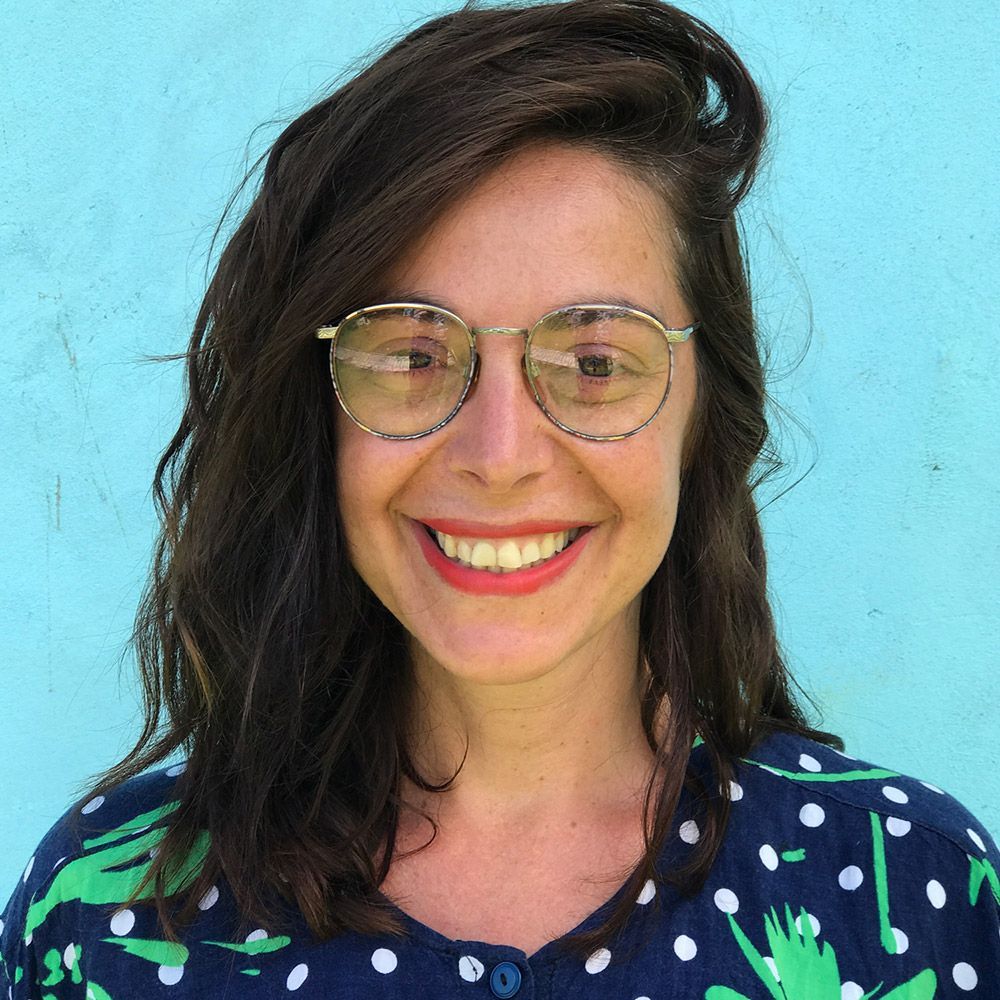
Smiling Maria Montes with glasses and dark hair in a navy polka-dot top against a turquoise wall

For over ten years, I’m the author and editor of a bi-monthly email newsletter announcing calligraphy courses, community events, type related matter and other topics which often include creative mental health and fostering women in the type and industry. Subscribe here and join my journey!

Share

Text on a black background reads
By Robert Tickner April 15, 2026
In April 2026, I closed a fully remote chapter, and decided to update this visual presentation with everything that I have learned since 2022 —which is a lot!
The word
By Robert Tickner March 30, 2026
My seven-year-old grandson sleeps just down the hall from me, and he wakes up a lot of mornings and he says, “You know, this could be the best day ever.”
A stylized, white-line decorative letter
By Robert Tickner March 30, 2026
This article is an ongoing resource of fonts designed by women, as well as supporting material to learn more about female and non-binary graphic & type designers.
A stylized, white, cursive capital letter
By Robert Tickner March 29, 2026
Barcelona for graphic designers is my on-going list of resources for any creative visiting this city for the first time(s). Every recommendation is only personal, and it comes with its location and a hyperlink to their website, Google map or Instagram account.
A white, stylized logo of the word
By Robert Tickner March 9, 2026
I’m writing to you from Vietnam today. This is my fourth time in this country, and somehow it feels like the first time I’m actually seeing it.
By Robert Tickner June 24, 2025
Maria Montes is a Barcelona-based type designer, calligrapher, and educator known for her expressive lettering and unapologetically honest creative voice.
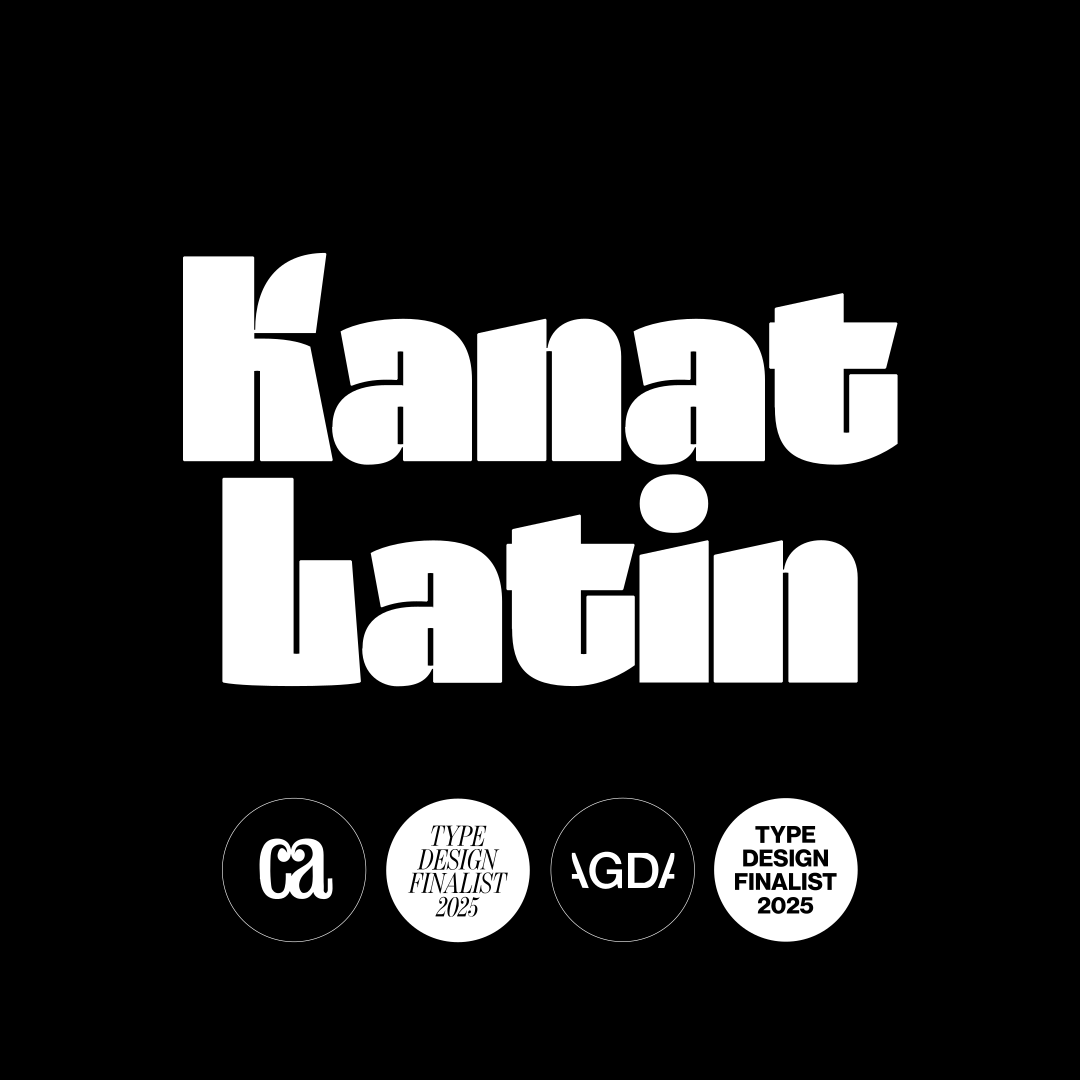
Kanat Latin Ultra T
By Robert Tickner June 1, 2025
I’m really excited to share with you my second large project of 2025 called Kanat Latin! I’ve been developing this font for several months, and it wouldn’t have been possible without the trust and support of Lara Captan from Ama Foundry and my type mentor Jose Manuel Urós from Type-O-Tones.
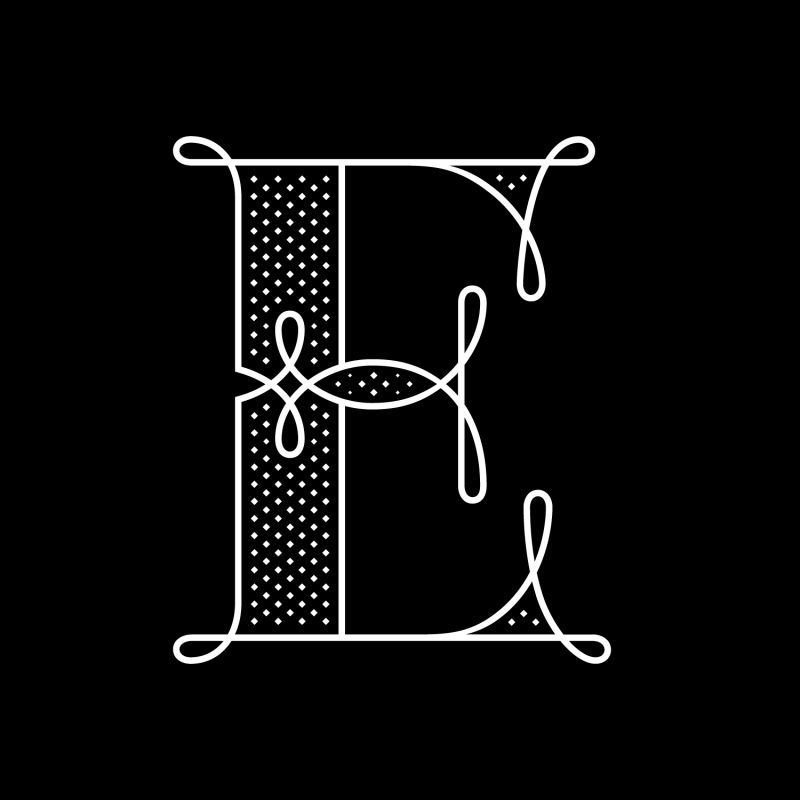
A white, ornate, decorative letter
By Robert Tickner May 5, 2025
The title of this monthly newsletter comes from Charli XCX, an artist who has given me a lot of the above over the past six months.
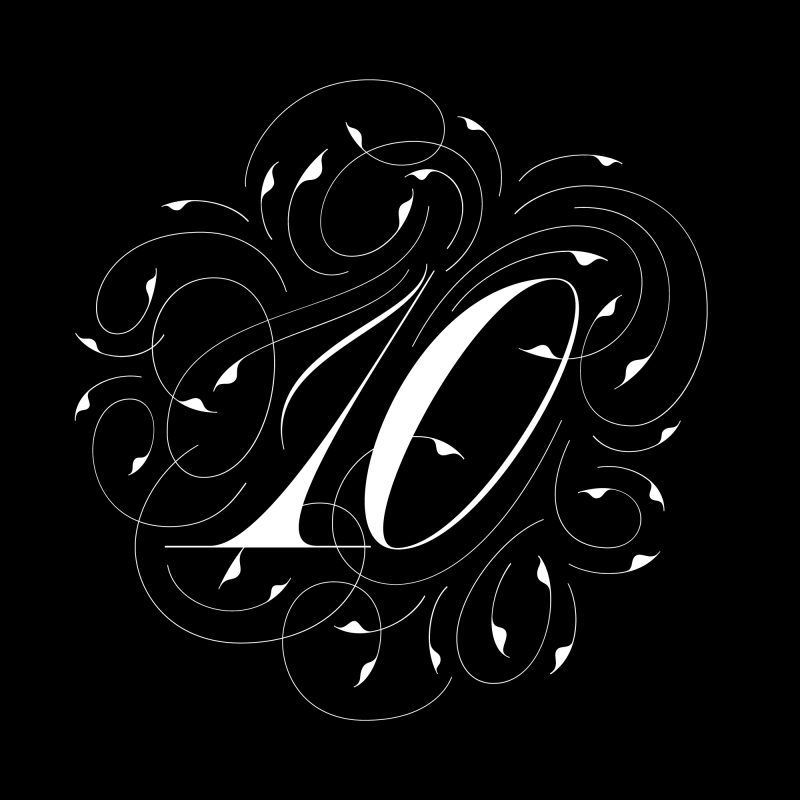
White ornamental calligraphy of the number 10 centered on a solid black background.
By Robert Tickner November 1, 2024
It’s November 2024, and I’m writing this article to celebrate my own 10th anniversary as an independent creative business of one.
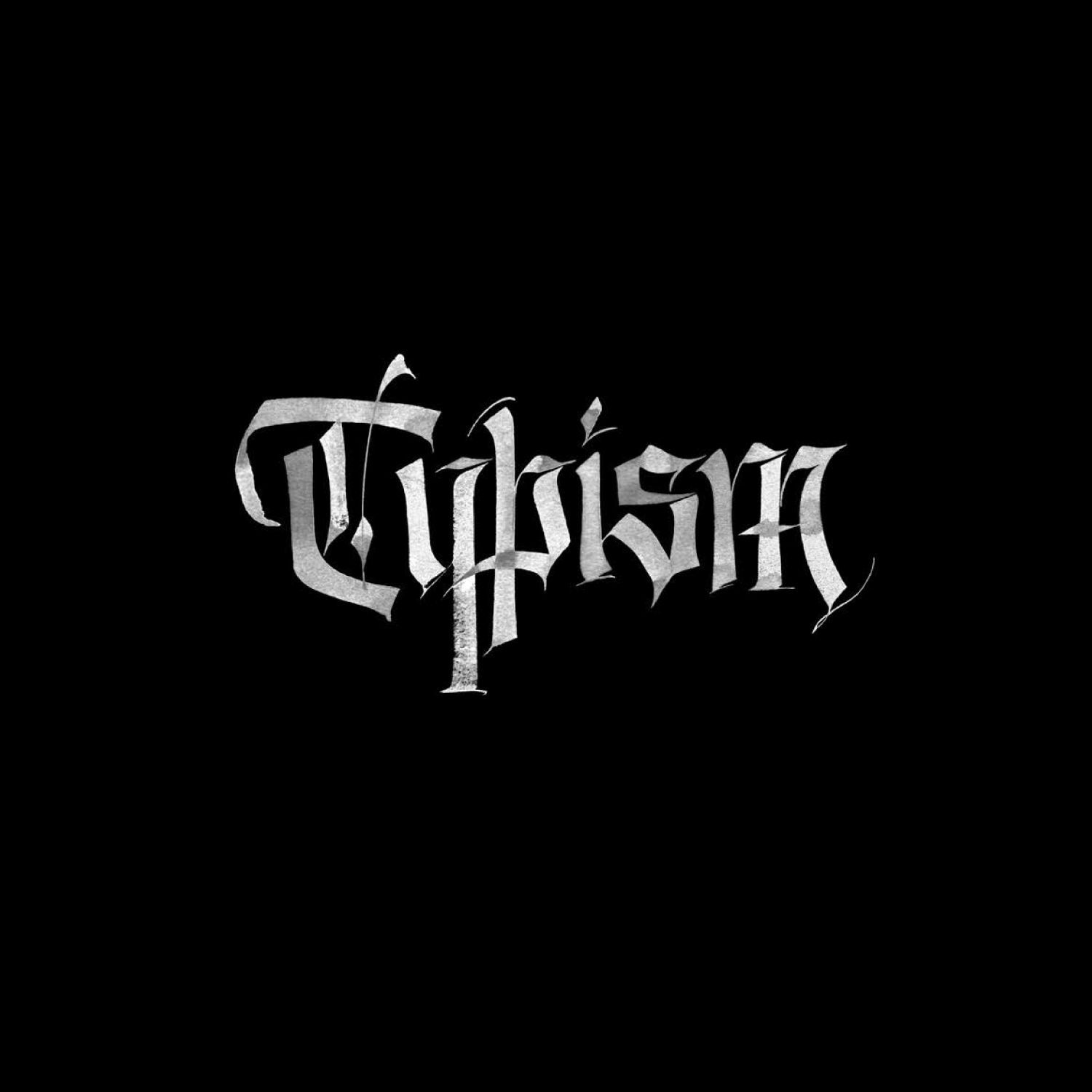
Silver gothic-style wordmark reading “Tylism” on a black background
By Robert Tickner July 30, 2024
Recently, the Typism Community asked me a few questions about my lettering and design practice, and here are my insights.
A red circle on a black background featuring the white text
By Robert Tickner April 1, 2024
I’m really happy to share with you that the TDC 70 Type Directors Club has awarded my Calligraphic editorial for Middlebury Magazine commissioned by Pentagram.
Stylized white protest text on black background reading “Women’s freedom is the sign of social freedom.”
By Robert Tickner March 1, 2024
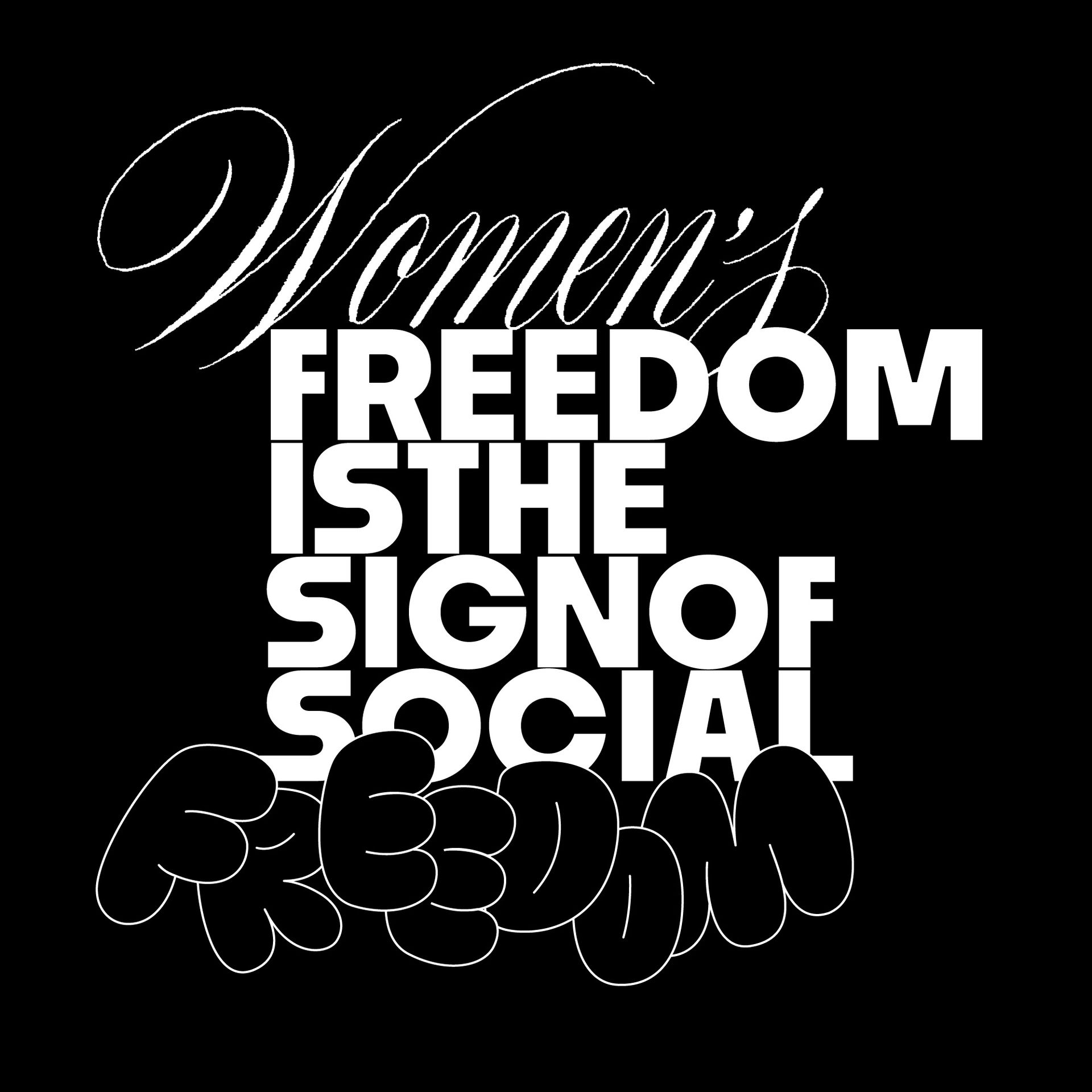
Feminism by definition is the believe that men and women should have equal rights and opportunities. It is the theory of the political, economic and social equality of the sexes.
The letters
By Robert Tickner October 1, 2023
Communications Arts (CA) Magazine informed me that the calligraphic editorial has won an award in the calligraphy/hand lettering category, yay!!
Stylized white gothic text: “Socially Equal Humanly Different & Totally Free” by Rosa Luxemberg
By Robert Tickner March 8, 2023
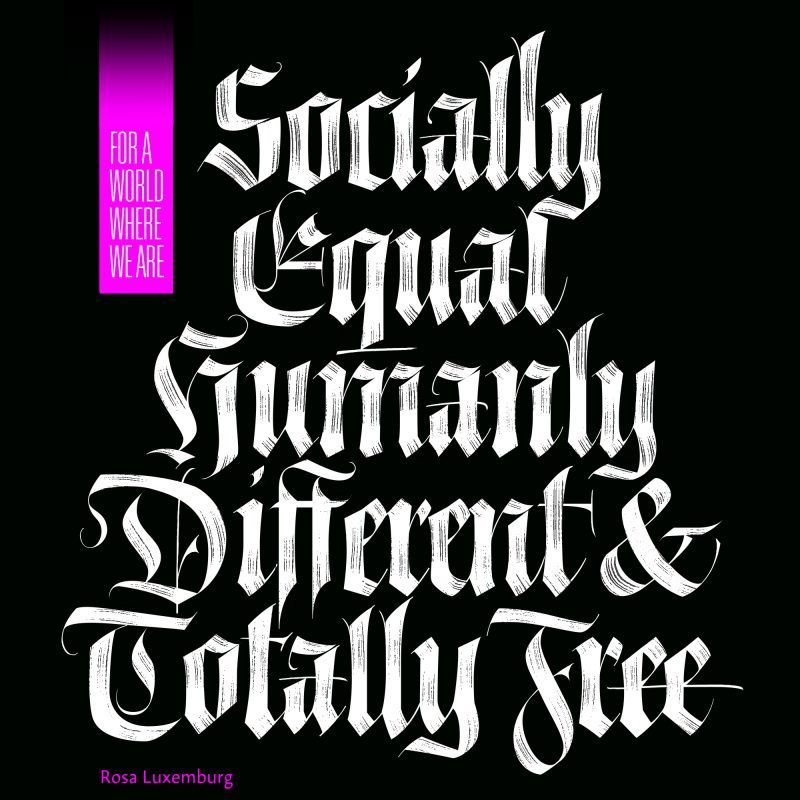
“International Women’s Day is not for celebrating. It is for protesting against and raising awareness about the fact that people are still being oppressed or treated differently because of their gender.” Greta Thunberg.
A stylized, white serif capital letter 'C' centered against a solid black background.
By Robert Tickner August 11, 2022
This article was originally written in January 2022, as part of a report called “Belonging” curated, designed and produced by We Are Tank.
A collection of various decorative white typography and calligraphy logos set against a solid black background.
By Robert Tickner April 1, 2022
In 2019 while I was teaching at RMIT University, I explained to my visual communication students that graphic design has a lot to do with cooking.
Black background with a stylized white gothic letter “2” or “Z” logo centered.
By Robert Tickner June 7, 2021
Protecting Australia’s First Languages is a fundamental part of preserving culture.
A white, stylized, cursive monogram consisting of the intertwined letters
By Robert Tickner April 14, 2020
This interview was published on The Heroine’s Journey Website by Peter De Kuster.
White
By Robert Tickner June 28, 2019
We have Maria Montes sharing with us this year at TypeParis. We wanted to find out a little more about her, so have presented a series of questions which she has generously taken the time to answer.
A white, stylized gothic capital letter
By Robert Tickner March 8, 2019
Happy International Women’s Day from a very proud multilingual, multicultural, independent female voice.
White cursive monogram “Y” on a black background
By Robert Tickner December 29, 2018
A while ago, I listened to an interview with Tim Ferriss in which he talks about “The Jar of Awesome”. If you —like myself— have One Bad experience and...
The  logo in white and pink on a black background with a gold flower-like design and swirling script
By Robert Tickner November 18, 2018
The Best is Yet to Come: Maria Montes Improves and Grows as a Freelance Designer, Illustrator, Letterer and Calligraphy Teacher. Interview by Nate Burgos...
White stylized dollar sign on a black background.
By Robert Tickner November 1, 2018
A few weeks ago I was approached by a client who asked me to participate in a pitch…
White calligraphic letter “A” on a black background.
By Robert Tickner May 29, 2018
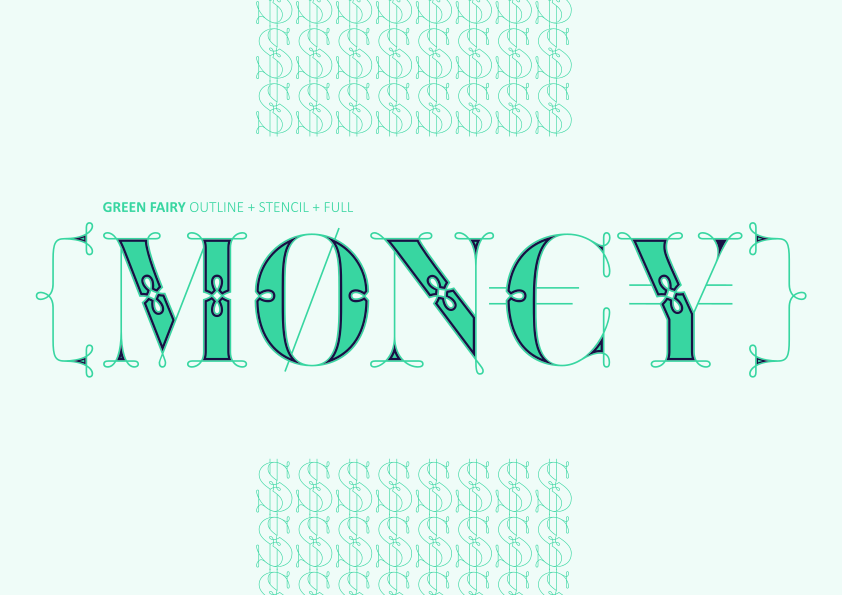
New Font Released: Green Fairy is a new chromatic font family highly ornamented for display purposes.
TDC Australia event poster on black background: 9–11 May 2018, Brisbane Powerhouse.
By Robert Tickner April 1, 2018
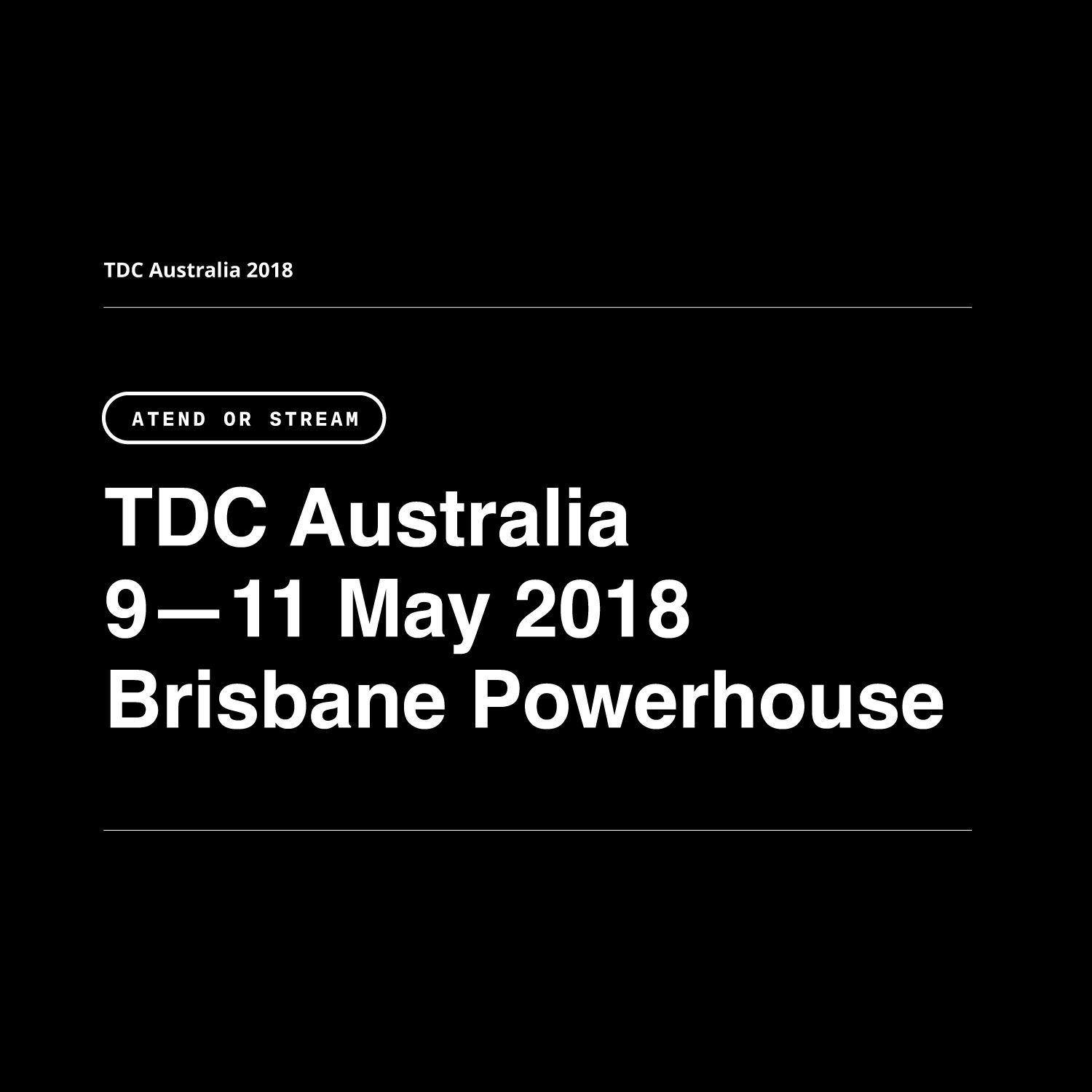
In the lead up to my talk, I talked to The Design Conference Brisbane and answered a few questions.

Stylized white cursive letter “T” on a black background
By Robert Tickner March 8, 2018
In honour of International Women’s Day 2018, and in solidarity with women in Spain, I want to show my face and give my support to ALL creative women out there.
Black-and-white “Type Conferences 2018 SPEAKERS” text logo on a black background
By Robert Tickner January 31, 2018
Living in Australia is awesome but one of the toughest moments during the year is when the “type conference season” starts. If you —like me— suffer of major FOMO...
White “Scared” script with “SHITLESS” below on a black background with white leaf-like marks
By Robert Tickner September 30, 2017
This is the transcript of my talk at TYPISM Conference on September 30, 2017. The talk is about facing fear and getting out of your comfort zone.
White abstract geometric logo on a black background.
By Robert Tickner May 1, 2017
The life of contemporary women is complex, multifaceted, sometimes challenging, sometimes overwhelming yet also brimming with opportunity.
Elegant white cursive letter B on a black background
By Robert Tickner December 1, 2016
In 2012 I discovered a great hidden treasure in Fitzroy North (Melbourne) called Renaissance Bookbinding.

Text on a black background reads
By Robert Tickner April 15, 2026
In April 2026, I closed a fully remote chapter, and decided to update this visual presentation with everything that I have learned since 2022 —which is a lot!
The word
By Robert Tickner March 30, 2026
My seven-year-old grandson sleeps just down the hall from me, and he wakes up a lot of mornings and he says, “You know, this could be the best day ever.”
A stylized, white-line decorative letter
By Robert Tickner March 30, 2026
This article is an ongoing resource of fonts designed by women, as well as supporting material to learn more about female and non-binary graphic & type designers.
A stylized, white, cursive capital letter
By Robert Tickner March 29, 2026
Barcelona for graphic designers is my on-going list of resources for any creative visiting this city for the first time(s). Every recommendation is only personal, and it comes with its location and a hyperlink to their website, Google map or Instagram account.
A white, stylized logo of the word
By Robert Tickner March 9, 2026
I’m writing to you from Vietnam today. This is my fourth time in this country, and somehow it feels like the first time I’m actually seeing it.
By Robert Tickner June 24, 2025
Maria Montes is a Barcelona-based type designer, calligrapher, and educator known for her expressive lettering and unapologetically honest creative voice.
Kanat Latin Ultra T
By Robert Tickner June 1, 2025
I’m really excited to share with you my second large project of 2025 called Kanat Latin! I’ve been developing this font for several months, and it wouldn’t have been possible without the trust and support of Lara Captan from Ama Foundry and my type mentor Jose Manuel Urós from Type-O-Tones.
A white, ornate, decorative letter
By Robert Tickner May 5, 2025
The title of this monthly newsletter comes from Charli XCX, an artist who has given me a lot of the above over the past six months.
White ornamental calligraphy of the number 10 centered on a solid black background.
By Robert Tickner November 1, 2024
It’s November 2024, and I’m writing this article to celebrate my own 10th anniversary as an independent creative business of one.
Silver gothic-style wordmark reading “Tylism” on a black background
By Robert Tickner July 30, 2024
Recently, the Typism Community asked me a few questions about my lettering and design practice, and here are my insights.